We work directly with major insurance providers to help streamline the claims and restoration process for our clients. Our team regularly coordinates with carriers such as Travelers, AAA, Farmers, and State Farm, ensuring that damage assessments, documentation, and required procedures align with insurance standards. By communicating directly with adjusters and following established claim protocols, we help simplify the process for property owners while keeping projects moving efficiently from damage assessment through restoration.
ABATEMENT
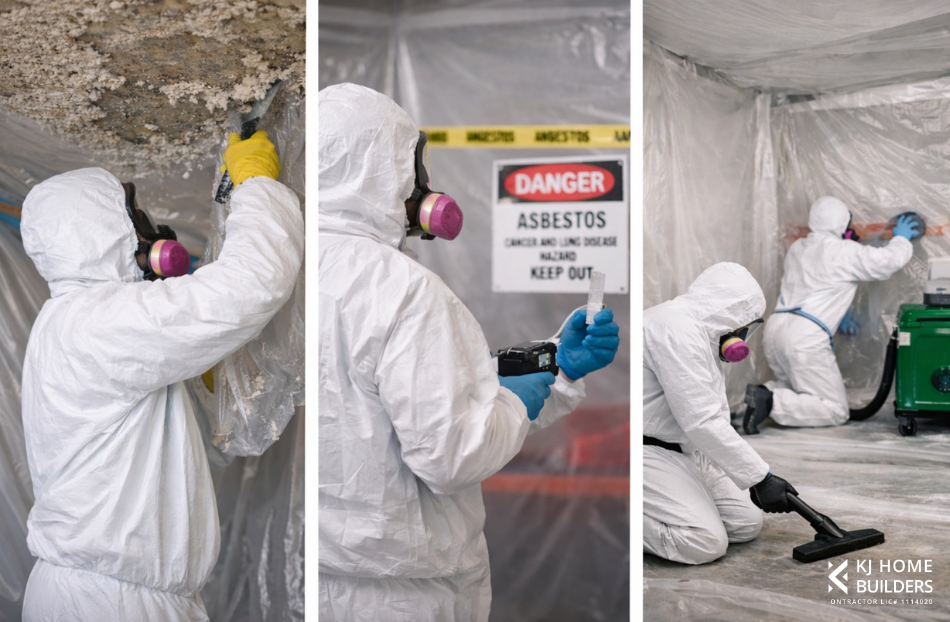
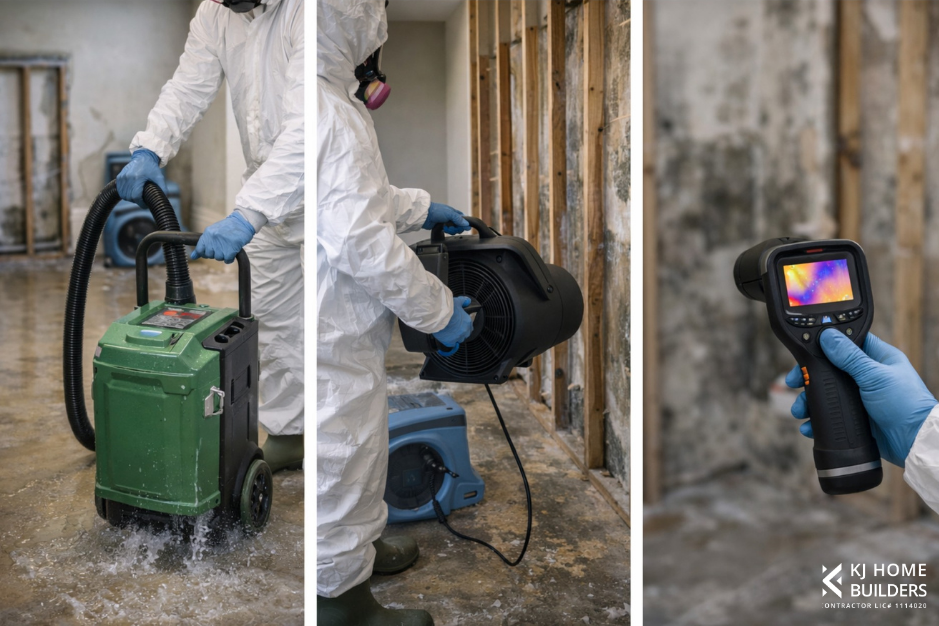
Abatement focuses on the safe removal or containment of hazardous materials that pose health risks. This can include materials such as asbestos, lead-based paint, mold-infested materials, or other environmental hazards commonly discovered after property damage. Our abatement services (<100 sq. ft.) follow strict safety and regulatory standards to eliminate these dangers and prepare the property for the next stage of cleanup and restoration.
REMEDIATION
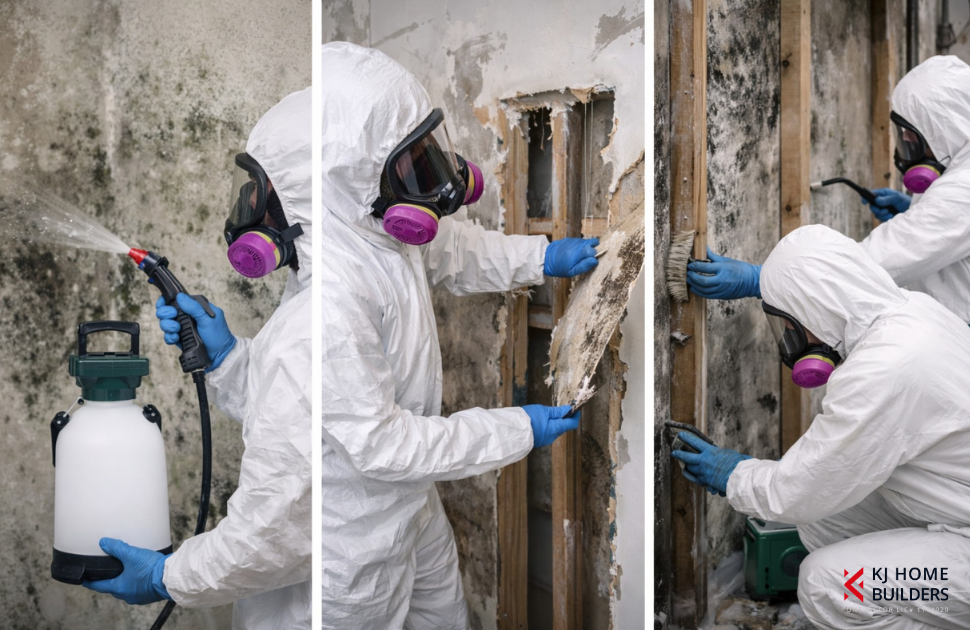
Remediation is the process of cleaning, treating, and restoring areas that have been contaminated by water, mold, smoke, or other environmental damage. After hazardous materials are addressed through abatement, remediation targets the remaining contamination to ensure the environment is safe, clean, and structurally sound. This step focuses on eliminating damage at its source and preventing further issues from developing.
Mitigation
Mitigation focuses on stopping damage from spreading and minimizing further loss after an incident. This stage often includes emergency response services such as water extraction, structural drying, board-ups, and temporary protection measures. The goal of mitigation is to stabilize the property quickly, reduce additional damage, and protect the structure while the claim and repair process moves forward.
Restoration
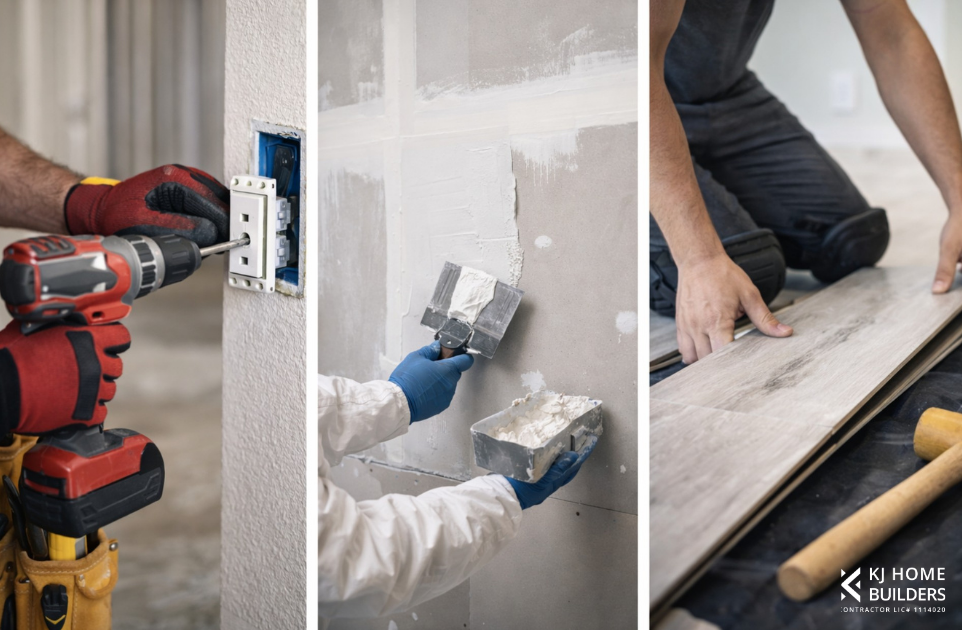
Restoration is the final step that returns a property to its pre-loss condition. Once mitigation, abatement, and remediation are complete, restoration involves repairing or rebuilding damaged areas of the structure. This may include drywall replacement, flooring installation, painting, structural repairs, and finishing work to fully restore the home or building.
KEVIN JACOB – REALTOR® / Designer
Dealing with a disaster?
Contact Us

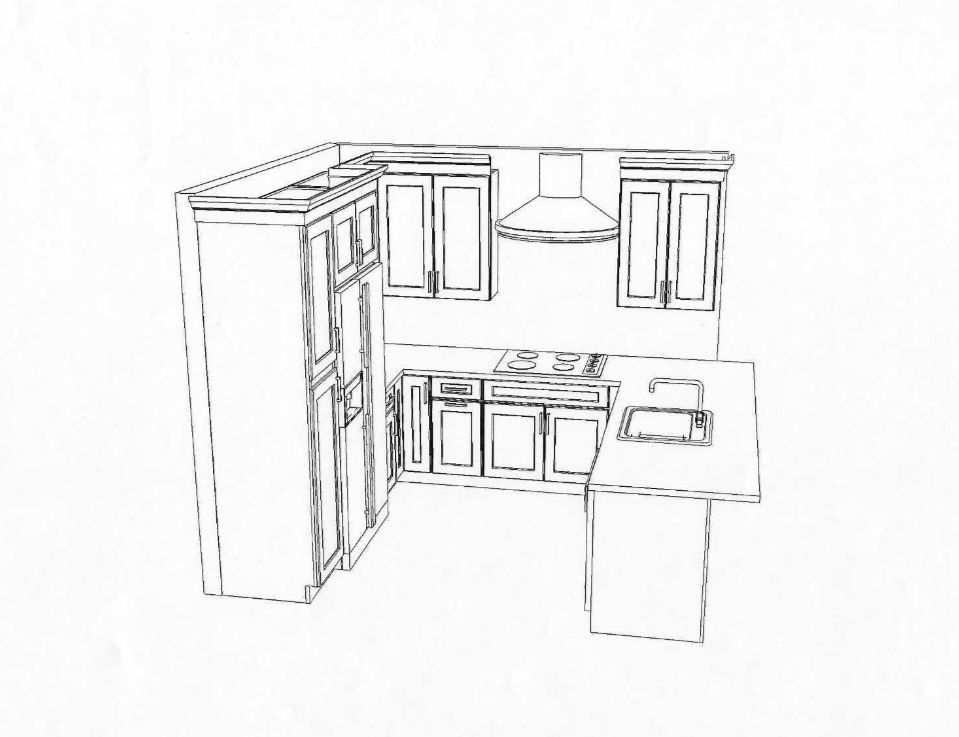
SHOWCASING OUR DESIGN
Insurance Companies We Work With